As chiropractors working with children, we spend a great deal of time thinking about what children need for healthy development. We discuss movement, nutrition, sleep, posture, neurological development and emotional wellbeing. We assess, adjust, educate and make recommendations to help children thrive.
But I wonder whether there is something we sometimes overlook.
How much opportunity do children actually have to direct their own lives?
Think about the average school-aged child. Their day might include school, homework, sport, music lessons, tutoring and perhaps therapy appointments. The small gaps between tightly squeezed activities are often filled as well, typically with a screen.
I am not mentioning these activities as being a problem; they are all very valuable. But when every minute is organised, when does a child get to decide what happens next?
The value of unstructured time
In 2014, Jane Barker and colleagues published a fascinating study examining how children spent their time outside school and how this related to executive function. They found that children who spent more time in less-structured activities demonstrated better self-directed executive functioning.
This is an important distinction. Following instructions, completing a prescribed task and responding to someone else's rules require executive function. But deciding what to do, developing a plan, recognising when something isn't working and changing strategy require children to direct themselves.
The study was observational, so it cannot establish cause and effect. Nevertheless, it raises an interesting question about the opportunities we give children to practise these skills.
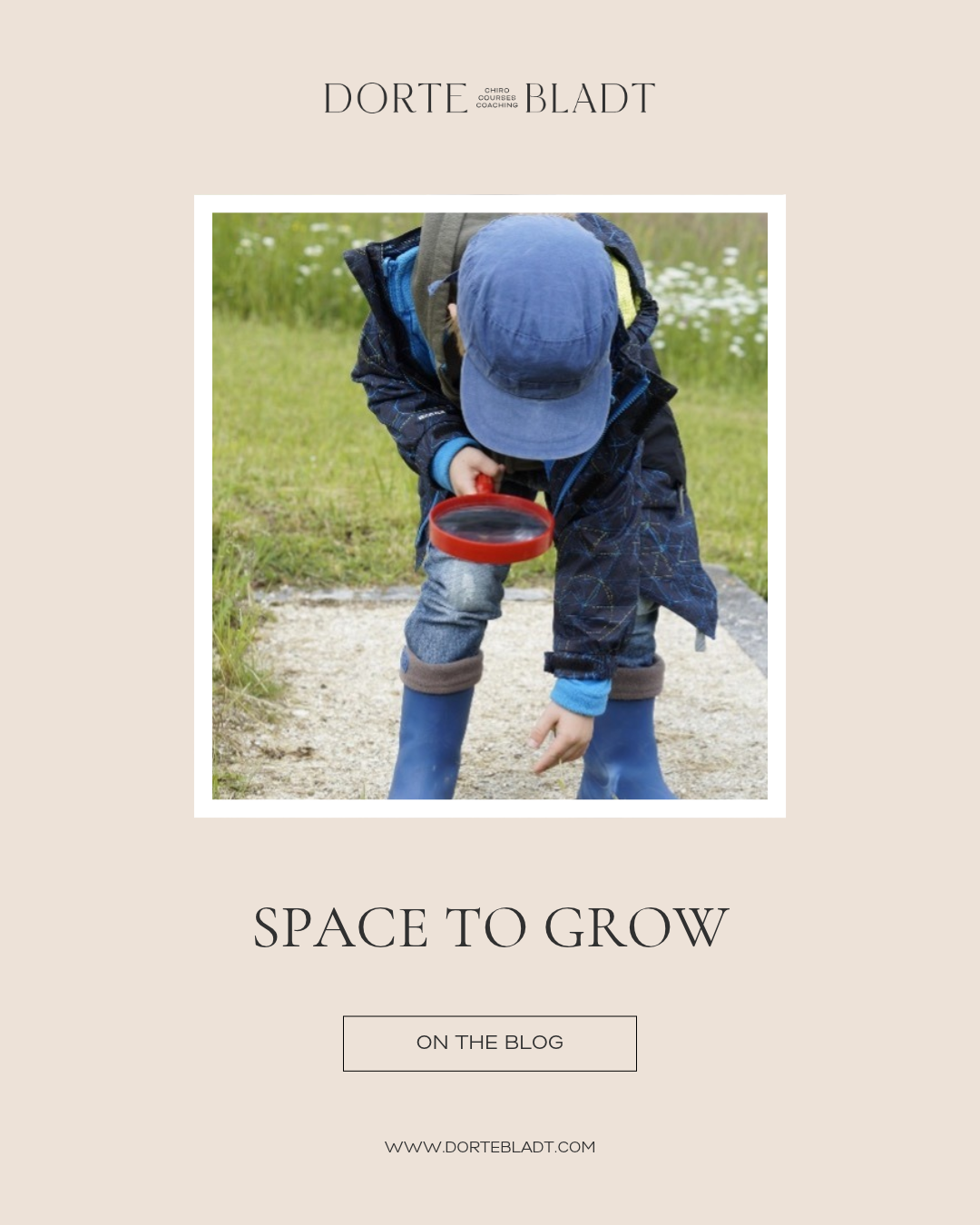
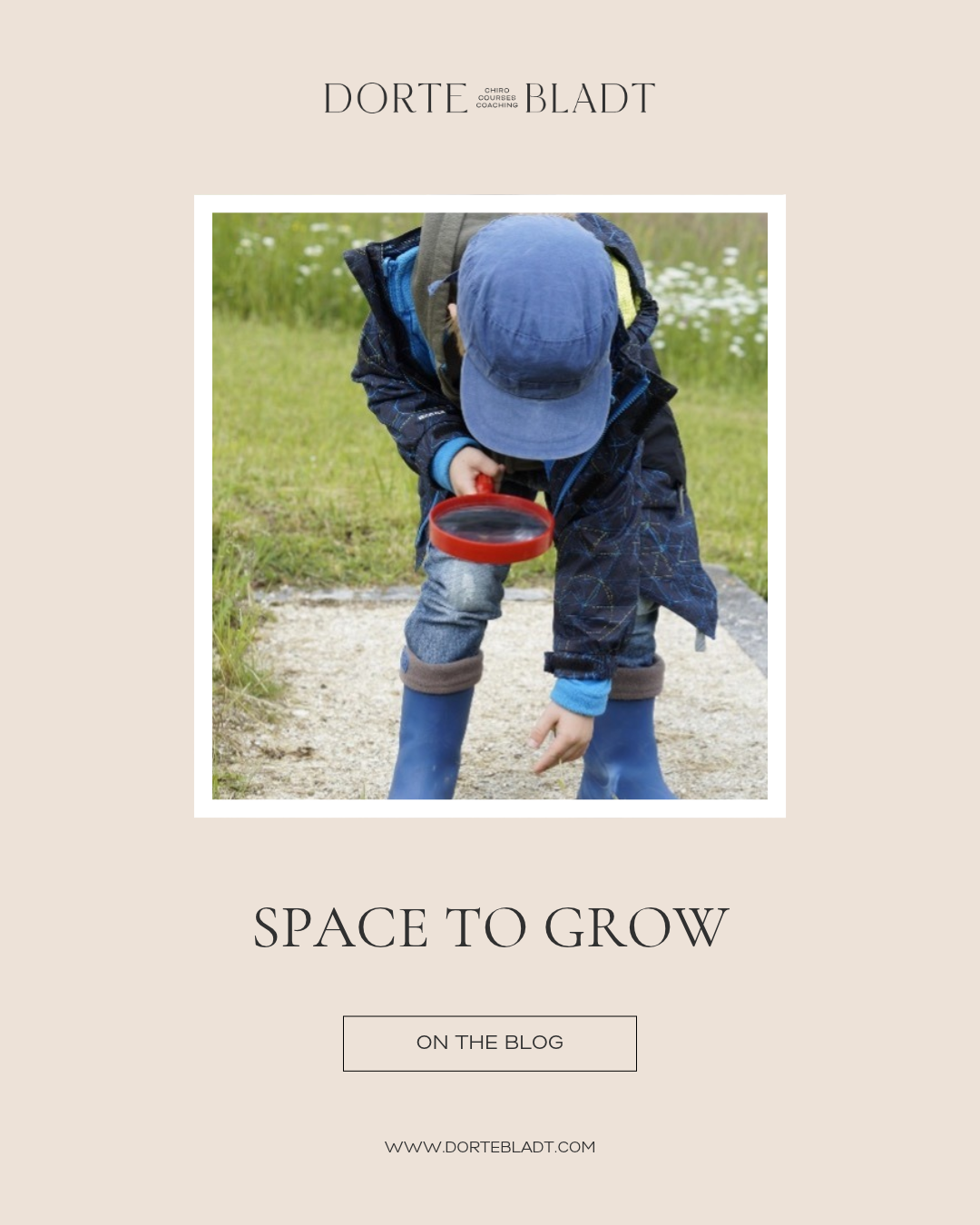
I remember watching my young niece and her friends playing on a trampoline. They seemed to spend almost as much time arguing about the rules of their invented game as actually playing it.
They negotiated, disagreed, changed the rules, tried again and sorted out their differences. No adult was involved.
It wasn't particularly organised, but that was precisely the point. They were practising planning, problem-solving, adaptability and emotional regulation through play.
Sometimes the messiness is the learning.
What does this mean in chiropractic practices?
We already ask parents about their children's sleep, diet, movement, school experiences, screen time and behaviour. Perhaps we should add another question to our kids’ history:
"What does your child do when nothing is organised for them?"
The answer may tell us a great deal about the child's everyday environment. Do they go outside and invent games? Find something to build? Play with siblings? Or do they immediately reach for a screen because they don't know what else to do?
This isn't about judging parents. It's about understanding the opportunities a child has to explore, experiment and make independent decisions.
It may also change how we approach our recommendations.
Consider the average child in you practice: They will be attending school, sport, tutoring and maybe several therapy appointments. When we identify a challenge that could benefit from a bit of attention, our instinct may be to prescribe exercises or activities at home to help them along. And frequently that is absolutely appropriate!
But perhaps we should ask ourselves whether this child needs another structured task to fill their busy day? Or would it be more beneficial to simply recommend more opportunities to move, explore and experiment? So rather than prescribing ten repetitions of an exercise, could we sometimes encourage climbing, balancing, jumping, building obstacle courses or playing outdoors?
These activities offer rich sensory and motor experiences while requiring children to make their own decisions. They must assess their environment, plan movements, respond to feedback and adapt when something doesn't work.
What about screens?
I think we need to move beyond simply asking how much time children spend on screens. A child creating music, researching dinosaurs or talking to grandparents online is having a very different experience from one endlessly scrolling short videos.
An equally useful question is: "What is the screen replacing?"
Is it replacing sleep, movement, conversation, outdoor play or opportunities to become absorbed in something they have created themselves?
This provides a much more meaningful starting point for conversations with parents than screen-time limits alone.
Helping parents give children space
We can encourage parents to allow periods of unstructured time without feeling responsible for providing entertainment.
Of course, children still need routines, guidance and support. Some will need help learning to manage independent time, perhaps initially choosing between two or three activities. But we don't always have to solve their boredom.
The next time a parent tells you their child constantly complains about having nothing to do and wanting a screen to relive their boredom, suggest a different response.
Instead of immediately providing an activity, perhaps they could simply say:
"I wonder what you'll come up with."
And then give the child some time to work it out.
Space to grow
As chiropractors, we have opportunities to influence how families think about their children's health and development. Perhaps alongside our recommendations about movement, sleep and nutrition, we should also encourage something less tangible.
Space to think. Space to move. Space to experiment. Space to make mistakes and try again.
Because sometimes helping children thrive isn't about giving them more.
Sometimes it's about giving them less – so there is time and space to be.